

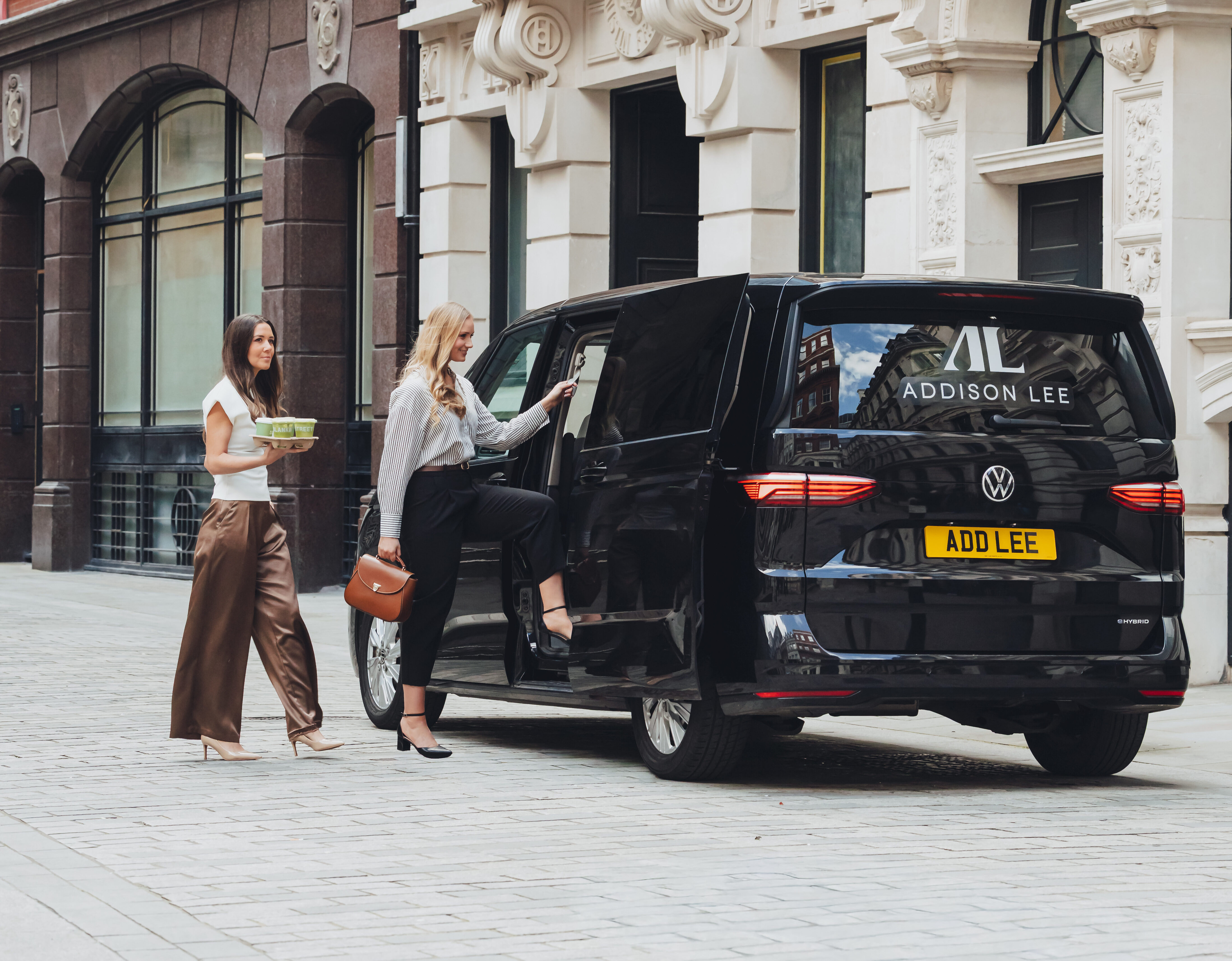
The Convergence of Premium Mobility: Where is Ground Transport Heading?



Over the last 12 months, the global ground transport market has quietly entered another period of evolution, as a series of acquisitions across ride-hailing, premium chauffeur services, and managed travel platforms has begun reshaping parts of the mobility landscape. These developments highlight how the market continues to evolve, particularly in the way technology-led and service-led models interact over time. While customers may see little immediate change, the pattern itself raises interesting questions about how mobility models may continue developing in the years ahead.
Recent activity, including Lyft’s acquisitions of TBR, FreeNow and Gett’s UK business, alongside Uber’s proposed acquisition of Blacklane, suggest something larger may be emerging around the convergence of technology-led mobility and premium service models.
What makes this particularly interesting is that ride-hailing and chauffeur services were historically built around two very different operating philosophies. One (born from disruption) focused on scale and convenience; the other (more rooted in tradition) centred around consistency, operational control, professionalism, and managed end-to-end service delivery.
At this stage, the long-term implications are still unclear. Many of these businesses may continue operating independently for some time, meaning customers may see little immediate change in how services are delivered, but the pattern itself raises an interesting question: are ride-hailing platforms becoming more premium, or are premium mobility businesses becoming more platform-driven? Perhaps the answer, over time, may become a combination of both.
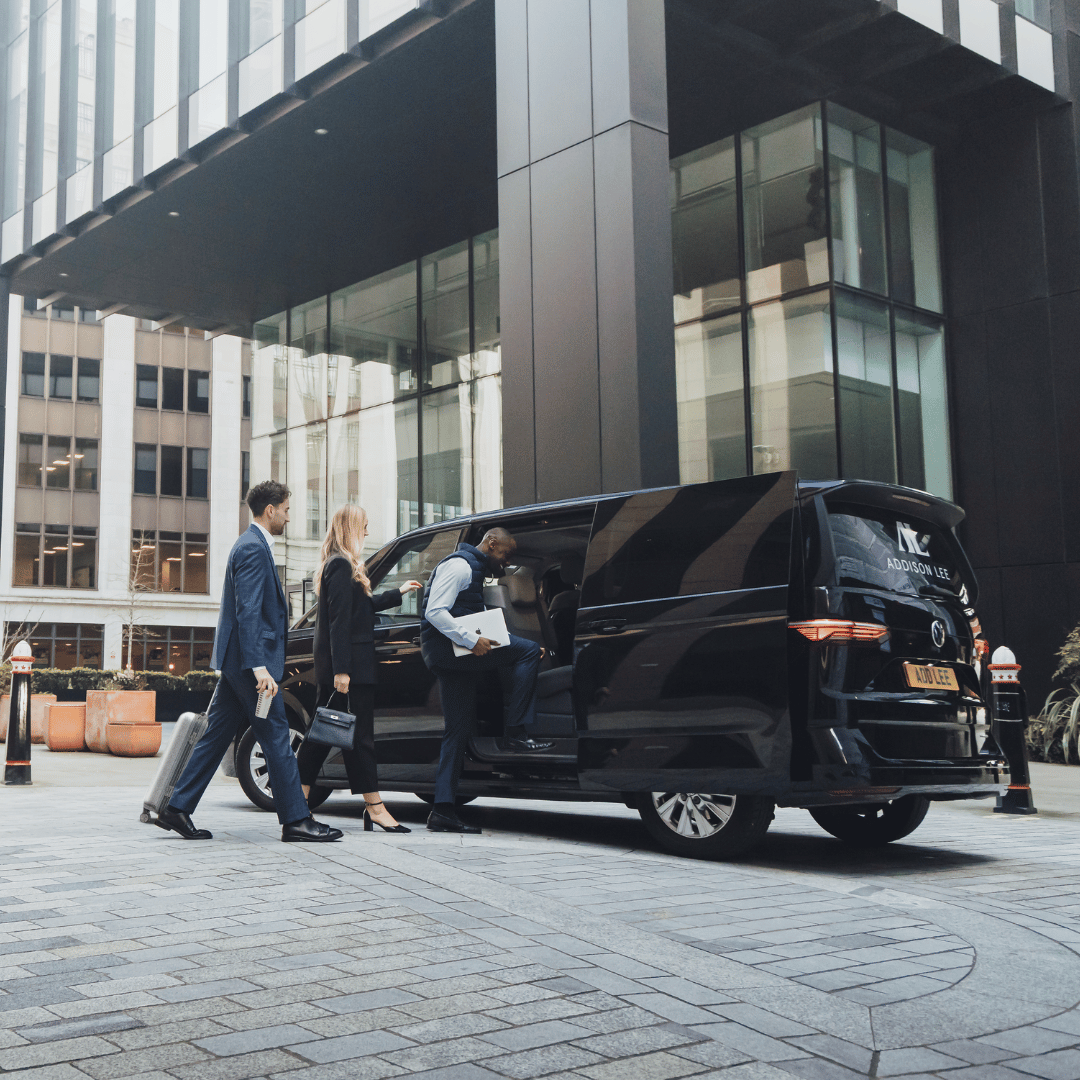
The Premiumisation of Travel
More broadly, this shift also appears to reflect the continued premiumisation of the travel experience across both business and leisure. Research from Deloitte and GBTA suggests travellers are increasingly prioritising:
- Comfort and reduced friction across the journey
- Greater flexibility and personalisation
- Reliability and operational visibility
- Premium experiences over higher trip volumes, and
- More intentional and experience-led travel
At the same time, airlines and hospitality providers continue focusing heavily on premium travellers and higher-yield experiences, particularly as demand remains resilient at the top end of the market.
Historically, however, ride-hailing and premium chauffeur services operated quite differently, with distinct customer expectations and service philosophies:
| Ride-Hailing | Premium / Chauffeur Services |
| Speed and convenience | Consistency and reliability |
| Platform-led | Managed service-led |
| On-demand flexibility | Operational control |
| Dynamic supply models | Professional chauffeur standards |
That aside, the distinctions between the two appear less defined than they once were. So, are customer expectations beginning to converge around journeys that combine speed with luxury, or will there always be an appetite for more high-touch and intentionally premium services?
Less clear, however, is whether premium service models can successfully scale within platform ecosystems without altering some of the qualities that made them premium in the first place.
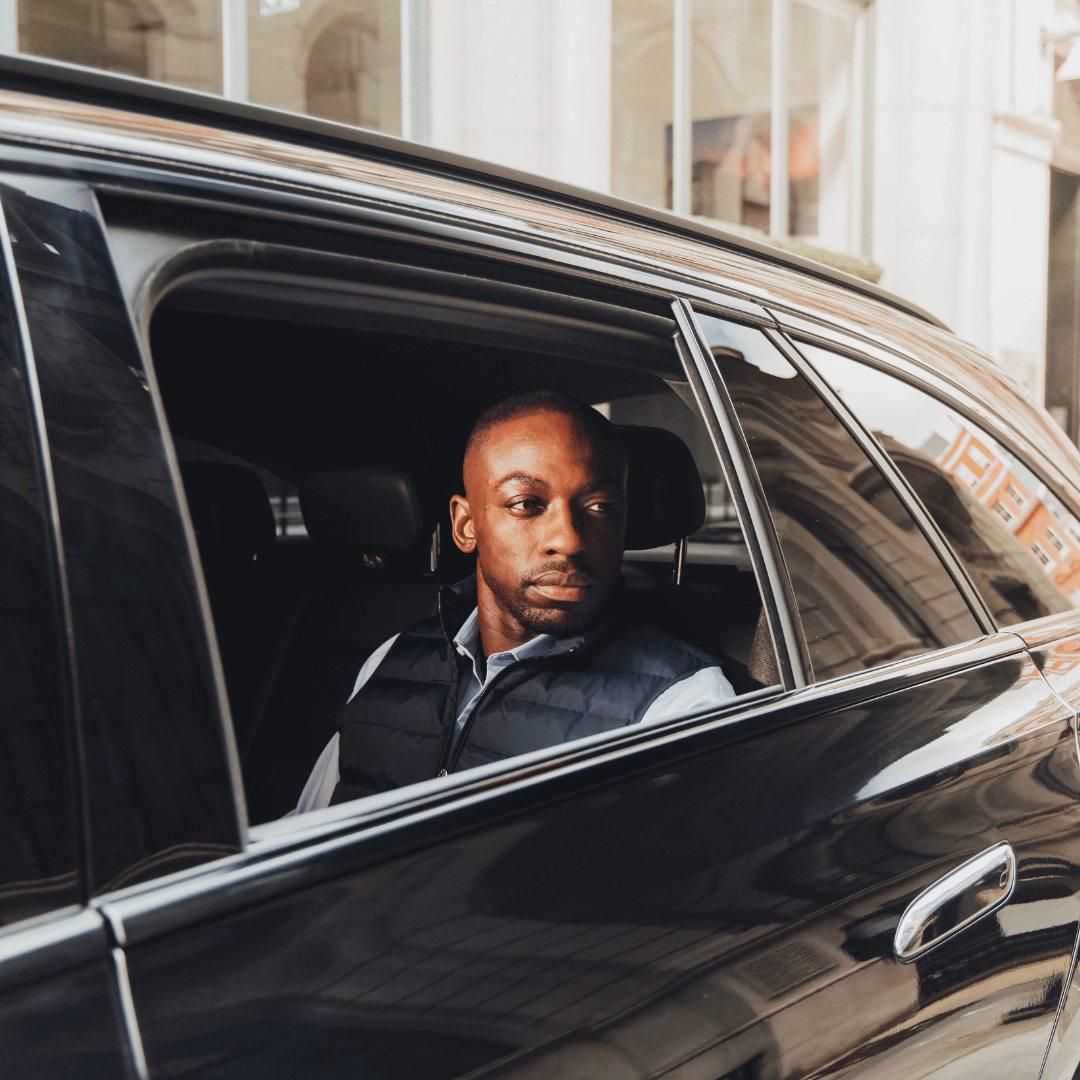
The Value of Human Experience
Interestingly, similar themes are beginning to emerge across other service-led industries adapting to AI and automation; where increasingly, the value appears to be shifting away from purely transactional delivery and toward judgement, trust, expertise, and more human-led experiences.
Several 2026 consumer and business trend reports have suggested that as technology becomes more embedded into everyday services, customers continue placing significant value on reassurance, personalisation, operational accountability, and high-touch experiences; particularly within premium sectors.
Supporting this trend, 67% of consumers surveyed by Medallia believed AI-driven services will increasingly handle transactional interactions, while human-led experiences become more associated with premium service.
Perhaps that may become one of the defining dynamics shaping premium mobility over the next few years; not simply how technology reshapes service delivery, but whether the human aspects of premium service become even more valued as automation accelerates.

What Customers Continue to Value
For Addison Lee, these developments reinforce the continued importance of managed service delivery, operational consistency, visibility, and end-to-end accountability within premium mobility. This is particularly relevant in corporate and managed travel, where reliability, traveller experience, and service quality remain critical.
While technologies, platforms, and service models will undoubtedly continue to evolve, trusted partnerships and high-quality service remain highly valued by organisations and travellers alike. As customer expectations continue shifting, we remain focused on delivering the premium ground transport, reliability, managed support, and operational continuity our customers rely on across London, the UK, and internationally.
Disclaimer: The views expressed in this blog are those of the author and cited contributors, and do not necessarily reflect the official views, positions or policies of Addison Lee. Any external contributors (for example, academic experts) are referenced in a personal or professional capacity, and their perspectives should not be interpreted as endorsements by Addison Lee. Addison Lee does not accept responsibility for any statements or opinions expressed in this blog.
Primary and Supporting Sources
The End Of The Diamond Shaped Org? How Consulting Is Reinventing Itself
Hospitality guests’ No. 1 AI concern: the loss of human touch | CX Dive
Related posts
-
 Business|London|
Business Tourism: All You Need to Know
What is business tourism and why does London lead the world? Find out how to plan transport for conferences, corporate events and executive travel with Addison Lee.
-
 Business|
5 Tips on Staying Productive on a Business Trip
Make every business trip more productive with five simple tips, from working in airport lounges to staying connected and making the most of your airport transfer.
-
 Business|Courier|London|
Just How Fast Can a Same-Day Courier Service Deliver a Package?
Find out how fast a same-day courier service can deliver in London, what affects delivery time, and how to book with Addison Lee for urgent packages.
-
 Business|
Beyond London: Your Journey Starts Before You Arrive
Addison Lee is more than London's trusted transport provider. Through our global ground transportation network, we offer reliable, professional journeys in over 90 countries, making business and leisure travel seamless wherever you go.
-
 Business|London|
Airport Transfers: How to Prebook an Airport Pickup
Here's how prebooking works, what to look for, and why it makes a real difference for both personal and corporate travel.
-
 Business|
Sector Spotlight: Media & Productions
The new SAG-AFTRA agreement provides greater certainty for film and TV productions, supporting industry recovery and future growth.