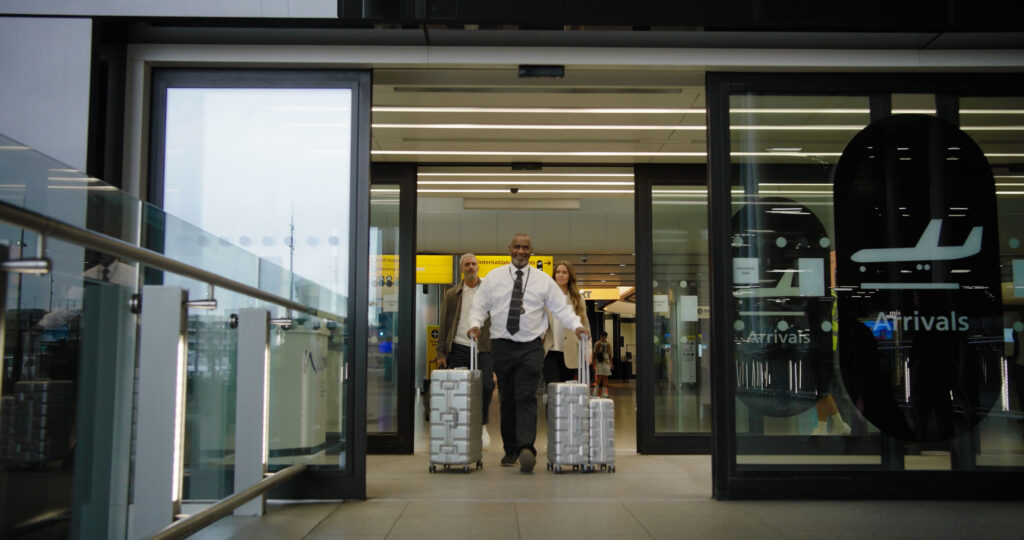
A Look Back and a Glance Ahead



As we step into 2026, it feels like the perfect moment to reflect on the momentum that carried us through last year, not just in terms of travel, but in how we work and how we adapt to change.
Looking back across the blogs I wrote throughout 2025, a clear narrative emerged; business travel recovered its purpose, and work culture continued to evolve. What stood out to me was how the landscape changed; in a way that felt more considered and grounded than before.
Here are the themes that defined 2025, and what they mean for the year ahead.

Travel grew more intentional
In Let’s Do the Maths: The Travel with Purpose (ROI) Equation blog I explored the growing shift away from high-frequency travel. This year confirmed that pattern. Organisations focused on meaningful, outcome-led trips. Travellers valued time spent together, and trips carried more weight than they once did.
This wasn’t about cutting back; it was about being deliberate.
Europe changed how we cross its borders
In The New UK–EU Trade Deal blog, I looked at the most significant change to European travel since Brexit. EES went live in October 2025 and ETIAS follows in 2026. These changes will reshape the rhythm of business travel, shifting familiar processes into a more structured, digital system.
Organisations will need to adjust their planning and their expectations.

Summer exposed the pressure points in our travel system
Both versions of my summer travel guidance (written before and during the peak months) captured a season defined by volume and infrastructure strain. London’s airports handled more than 55 million passengers between June and September. Travellers faced longer queues, tighter schedules and competing demands.
The insight was simple. Preparation matters more than ever.
Airports prepared for growth, with disruption along the way
In London Airports Gear Up for Major Air Travel Surge in 2025 blog, I explored the large-scale expansion taking place across the UK’s major hubs. Heathrow, Gatwick, Stansted, Manchester and Bristol all moved forward with plans designed to support future demand.
The long-term picture is positive. The short-term reality will require patience.

Courier services evolved to meet higher expectations
In London, Delivered Direct: The Future of Courier Services I wrote about the shifting expectations around delivery. The courier market entered a new phase, shaped by mergers and rising customer demands. Businesses increasingly prioritised certainty and visibility.
The message resonated, reliability is no longer a differentiator, it is an expectation, and so it should it be.
Workplace culture reached a turning point
In Back to Office: Priorities of Business Vs Priorities of Employees I explored the tension between employer priorities and employee needs. Return-to-office mandates created friction, and hybrid working remained firmly embedded, as equity and wellbeing dominated the conversation.
This debate is far from settled and will continue to influence travel and mobility in 2026.

Meetings and events returned with renewed purpose
In Reimagining Meetings & Events in 2026, I reflected on an industry rediscovering its confidence. Events grew in strategic importance and expectations rose, as people valued being together again.
Measurement shifted toward impact and connection.
Sustainability remained important, but in a more grounded way
In Green Ambitions Vs Economic Realities: Cost-Cutting to Carbon-Cutting I examined the practical challenges facing the energy transition. BP’s strategic pivot highlighted the tension between ambition and commercial reality; that same tension is felt across transport and mobility.
Sustainability stayed firmly on the agenda. The conversation became more realistic.
A Brief Look Ahead: What will Shape 2026
2026 will be a year shaped by readiness and steady adjustment. Not dramatic shifts (I hope) but the continued evolution of trends set in motion this year. To bring some clarity to my thoughts, I’ve set out a short PESTLE view that highlights the forces likely to influence both leisure and business travel.
- Political: European border changes will affect every type of traveller. Business trips will need more preparation as EES embeds itself into airport processes. Leisure travellers may also experience slower flows at peak times as border teams adjust to the new system.
- Economic: Price pressure will continue to shape demand. Business travel budgets are holding steady, but organisations are focusing on value and clarity rather than volume. Leisure demand remains resilient, supported by strong appetite for experiences and personal travel (even in tighter economic conditions).
- Social: Hybrid working has settled, and this influences both markets. Commuter patterns remain inconsistent, which affects weekday demand for private and public transport and internal meetings. Leisure travel continues to be shaped by traveller wellbeing, personal time and the desire for flexibility around family life. Both groups place higher expectations on comfort and ease.
- Technological: Automation and AI will continue to influence planning and real-time decision-making across business and leisure journeys. The aviation industry and mobility providers will keep investing in tools that reduce friction and support travellers during disruption. Autonomous vehicles will also remain on the horizon; London’s supervised trials and early European pilots show steady, careful progress, and while adoption will be gradual, AV technology is beginning to shape how cities think about future mobility, and sustainability.
- Legal and regulatory: Businesses are under growing legal pressure to demonstrate that they have taken reasonable steps to protect employees when they travel. This includes clearer risk assessments and tighter approval processes (with clearly documented evidence that travellers were given the right information before departure). If something goes wrong, courts are increasingly looking for proof that an employer acted responsibly. In addition to this, vehicle regulations and ZEV mandates will keep influencing ground transport decisions for organisations and suppliers.
- Environmental: Sustainability expectations will remain high. Businesses will look for clearer reporting and more responsible travel choices. Market data suggests that the overall ‘sustainable tourism’ segment remains significant and growing; signalling commercial demand for providers that deliver on sustainability.
Looking Ahead with Purpose
2025 was a reminder that travel still holds a unique power to bring people together. Though we may travel differently, the value of connection through movement, and shared experience remains unchanged.
As we move into 2026, I hope it brings a renewed sense of focus, clarity, and opportunity; both in how we work and how we move forward.
Written by:
Hayley Smith-Pryor
Strategy Partner, Experience – Addison Lee
Disclaimer: The views expressed in this blog are those of the author and cited contributors, and do not necessarily reflect the official views, positions or policies of Addison Lee. Any external contributors (for example, academic experts) are referenced in a personal or professional capacity, and their perspectives should not be interpreted as endorsements by Addison Lee. Addison Lee does not accept responsibility for any statements or opinions expressed in this blog.
Related posts
-
 Business|London|
Business Tourism: All You Need to Know
What is business tourism and why does London lead the world? Find out how to plan transport for conferences, corporate events and executive travel with Addison Lee.
-
 Business|
5 Tips on Staying Productive on a Business Trip
Make every business trip more productive with five simple tips, from working in airport lounges to staying connected and making the most of your airport transfer.
-
 London|
A Guide to Travelling to London Airports with Addison Lee
Travelling to or from any of London’s major airports can be a daunting task, given the city’s size, traffic, and …
-
 Courier|London|
Addison Lee’s Three Same-Day Courier Services Explained
Standard, Priority or Direct: find out which same-day courier service is right for your delivery, and how to book in under two minutes.
-
 London|
Heathrow to Gatwick Transfers: Travel Between London Airports in Style
Travelling between Heathrow and Gatwick is one of the most common inter-airport journeys in the world. Here's everything you need to know about making the journey smoothly.